The Complete Guide to Reducing No-Shows with Predictive AI
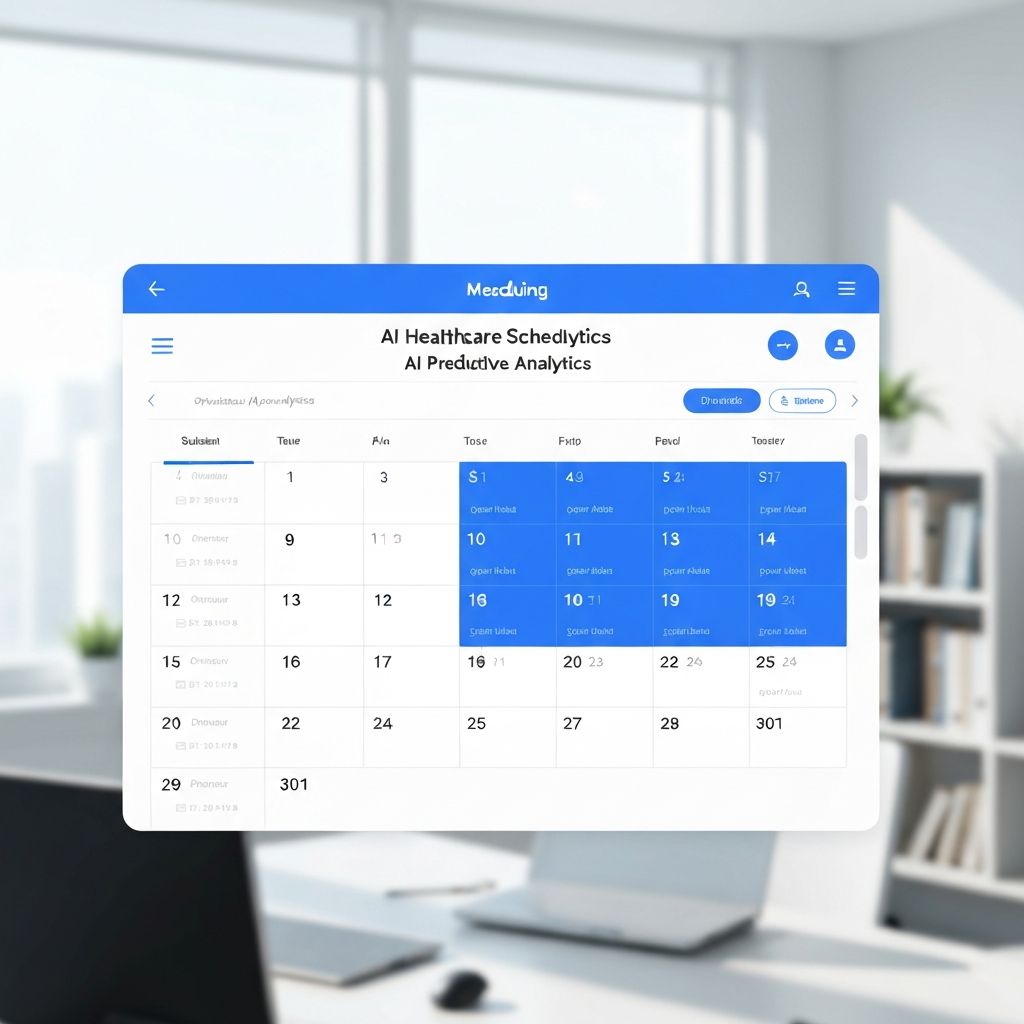
Patient no-shows cost medical practices billions of dollars annually. The average no-show rate hovers around 20-30%, representing significant lost revenue and wasted resources. Predictive AI is changing this equation by identifying at-risk appointments before they happen and enabling proactive interventions.
Understanding the No-Show Problem
No-shows aren't random. They follow predictable patterns. Certain patient demographics, appointment types, times of day, and scheduling circumstances correlate with higher no-show rates. Traditional reminder systems treat all appointments equally, missing opportunities to intervene where it matters most.
For a mid-size practice seeing 200 patients per week, a 25% no-show rate means 50 empty appointment slots weekly. At an average appointment value of $200, that's $520,000 in annual lost revenue. These resources could fund additional staff, equipment, or patient care improvements.
How Predictive AI Identifies At-Risk Appointments
Modern predictive AI systems analyze dozens of variables to calculate a risk score for each appointment:
- Patient history (previous no-shows, cancellations, rescheduling patterns)
- Appointment characteristics (type, day, time, provider, how far in advance it was booked)
- Patient demographics (age, location, insurance type)
- Engagement metrics (reminder response rates, portal usage, communication preferences)
- External factors (weather, local events, seasonal patterns)
The AI continuously learns from outcomes, refining its predictions over time. Advanced systems achieve 80-85% accuracy in identifying appointments that would result in no-shows, enabling targeted intervention strategies.
Automated Intervention Strategies
Once at-risk appointments are identified, AI-powered systems can automatically deploy appropriate interventions:
Personalized Reminder Sequences
High-risk appointments receive multiple reminders through preferred communication channels. The AI adjusts reminder frequency, timing, and messaging based on what works best for similar patient profiles. Messages emphasize the importance of attendance and make rescheduling easy if needed.
Easy Rescheduling Options
AI systems provide one-click rescheduling links in reminders, removing barriers to making changes. If a patient is likely to no-show due to scheduling conflicts, making it effortless to reschedule prevents the lost appointment and maintains the patient relationship.
Waitlist Optimization
For appointments with high no-show risk, AI can automatically double-book or place patients on priority waitlists, ensuring slots get filled even if cancellations occur. The system manages this intelligently to avoid actual double-bookings when both patients arrive.
Staff Notification and Outreach
For particularly high-value or high-risk appointments, the AI alerts staff to make personal phone calls. This targeted approach ensures human touchpoints happen where they'll have the most impact, rather than treating all appointments equally.
Real-World Results
Practices implementing predictive AI for no-show reduction typically see:
- 50-65% reduction in no-show rates within the first 6 months
- $200,000-500,000 in recovered annual revenue for mid-size practices
- Improved patient relationships through proactive communication
- Better staff productivity by focusing outreach on high-risk appointments
- More efficient scheduling with optimized appointment utilization
Implementation Best Practices
To maximize the effectiveness of predictive AI for no-show reduction:
- Start with historical data analysis to establish baseline patterns
- Integrate with your existing EHR and scheduling systems
- Train staff on interpreting AI recommendations and taking appropriate actions
- Continuously monitor results and adjust intervention strategies
- Maintain patient-centered communication even with automated systems
Conclusion
Predictive AI represents a paradigm shift in how practices manage appointment attendance. Rather than treating no-shows as inevitable, AI enables proactive identification and intervention, transforming a significant cost center into an opportunity for improved patient care and practice profitability.
The technology has matured to the point where it's accessible and affordable for mid-size practices. Those who implement predictive no-show reduction systems gain immediate financial benefits while improving patient experiences through more thoughtful, personalized communication.
Reduce No-Shows by Up to 65%
Discover how GoAIgentic's predictive AI can help your practice recover lost revenue and improve patient attendance.