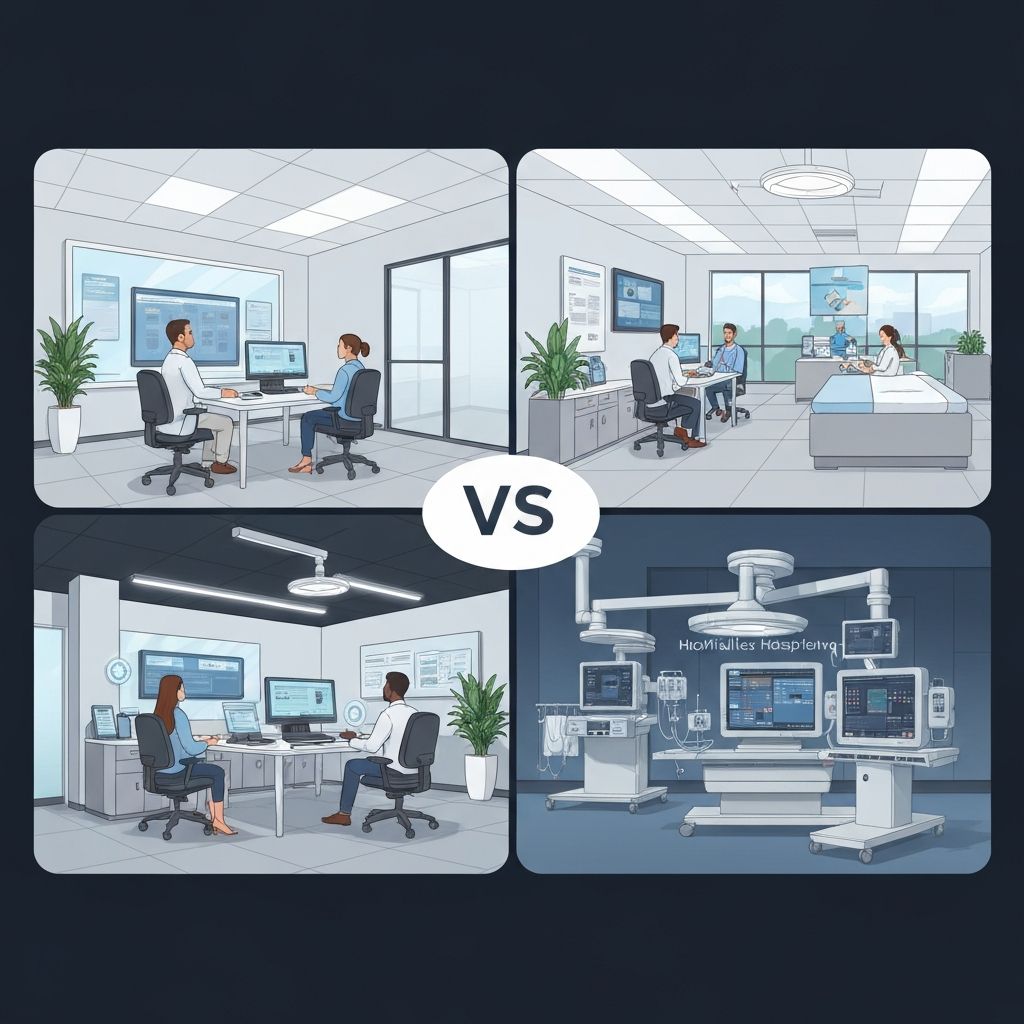
Large hospital systems seem to have every advantage: bigger budgets, more staff, extensive facilities, and established brand recognition. Yet mid-size practices can not only compete, they can win by leveraging their unique strengths and adopting smart technology strategies, particularly AI-powered tools.
Understanding Your Competitive Advantages
Before discussing how to compete, it's essential to recognize where mid-size practices naturally excel:
- Personalized patient experiences: Smaller practices can provide more individualized attention and build stronger relationships
- Operational agility: Decisions happen faster without layers of bureaucracy
- Community connection: Deep roots in local communities create trust and loyalty
- Specialized expertise: Focus on specific patient populations or medical specialties
- Value-based care: Ability to prioritize patient outcomes over volume metrics
The key is amplifying these natural advantages while using technology to match or exceed the capabilities that large systems traditionally monopolized.
Leveling the Technology Playing Field with AI
Hospital systems invest millions in technology infrastructure, data analytics teams, and marketing departments. Modern AI tools democratize these capabilities, making enterprise-grade functionality accessible to practices of any size.
Marketing and Patient Acquisition
AI-powered marketing platforms enable mid-size practices to execute sophisticated campaigns that previously required large marketing teams. Predictive analytics identify ideal patient profiles, automated systems deliver personalized messaging at scale, and intelligent bidding optimizes advertising spend across channels.
A practice with a $50,000 annual marketing budget using AI tools can often outperform a hospital system spending $500,000 on traditional marketing. AI ensures every dollar works harder and targets more effectively.
Operational Efficiency
AI automation handles time-consuming administrative tasks: appointment scheduling, insurance verification, patient communications, billing inquiries, and documentation. This allows your staff to focus on high-value patient interactions rather than repetitive processes.
The efficiency gains from AI effectively expand your team's capacity by 20-30%, matching the staffing advantages larger systems enjoy without the overhead costs.
Data-Driven Decision Making
Hospital systems employ data analysts to identify trends and optimization opportunities. AI analytics platforms provide the same insights automatically: patient acquisition costs, retention patterns, revenue cycle metrics, operational bottlenecks, and growth opportunities.
These insights empower mid-size practices to make strategic decisions based on hard data rather than intuition, competing on equal analytical footing with larger organizations.
Building a Distinctive Patient Experience
While matching technological capabilities is important, winning requires differentiating on patient experience. This is an area where mid-size practices naturally excel.
Convenience and Accessibility
Use AI-powered scheduling to offer same-day appointments, extended hours, and instant booking through multiple channels. Hospital systems often struggle with rigid scheduling systems. Your agility is an advantage.
Personalized Communication
Leverage AI to deliver personalized messages at scale while maintaining your practice's unique voice and values. Patients should feel like they're receiving communication from their trusted local practice, not a corporate healthcare system.
Continuity of Care
AI can track patient histories and flag important information for providers, ensuring patients receive consistent, coordinated care. This continuity is often lost in large hospital systems where patients see different providers across multiple locations.
Strategic Positioning in Your Market
Beyond technology and patient experience, successful mid-size practices strategically position themselves in their markets:
Niche Specialization
Become the recognized expert for specific patient populations or conditions. Hospital systems must serve everyone; you can dominate a niche where you deliver superior outcomes and experiences.
Value-Based Partnerships
Partner with insurers and employers on value-based care arrangements. Demonstrate that your personalized approach delivers better outcomes at lower costs than large system alternatives.
Community Integration
Deepen community connections through health education, local events, and partnerships with community organizations. This creates loyalty that hospital marketing budgets can't easily overcome.
Real Success Stories
Mid-size practices implementing these strategies see remarkable results:
- A 12-provider family practice grew patient volume 45% in 18 months while hospital systems in their market remained flat
- A specialty orthopedic practice captured 60% market share in their metropolitan area despite competing against three hospital-owned clinics
- A multi-location internal medicine practice achieved 4.9-star average patient ratings, compared to 3.2 stars for local hospital systems
The common thread? These practices combined technology investments, particularly AI, with strategic focus on their unique strengths: personalization, community connection, and specialized expertise.
Taking Action
Competing with large hospital systems isn't about matching their resources. It's about leveraging your advantages while using smart technology to overcome resource gaps. AI has fundamentally changed this equation, giving mid-size practices access to capabilities that were previously exclusive to large systems.
The practices that thrive in this environment will be those that embrace technology while staying true to what makes them special: personalized care, community connection, and genuine commitment to patient outcomes. That's a competition mid-size practices can win.
Level the Playing Field with AI
See how GoAIgentic helps mid-size practices compete and win against larger healthcare systems.