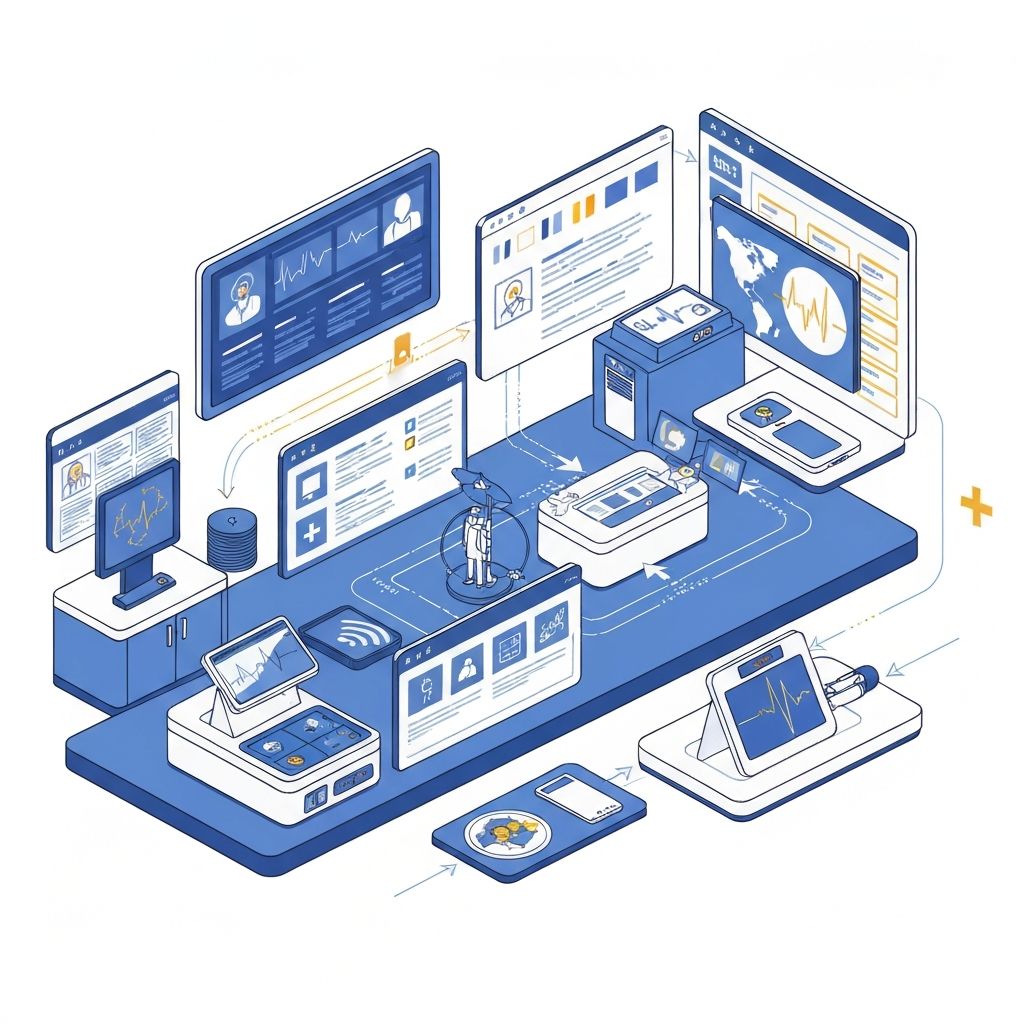
Artificial intelligence is revolutionizing how medical practices attract, engage, and convert new patients. In 2024, AI-powered tools are no longer optional. They're essential for practices that want to stay competitive and grow sustainably.
1. Intelligent Lead Scoring and Prioritization
Modern AI systems can analyze hundreds of data points to identify which potential patients are most likely to book appointments. By examining factors like browsing behavior, demographic information, insurance coverage, and engagement patterns, AI helps practices focus their outreach efforts where they'll have the greatest impact.
This intelligent prioritization can increase conversion rates by up to 40% while reducing wasted effort on unlikely prospects. Mid-size practices using AI lead scoring report spending 30% less time on cold outreach while booking 25% more new patient appointments.
2. Personalized Patient Communication at Scale
AI enables practices to deliver personalized messages to thousands of potential patients simultaneously. Natural language processing analyzes patient inquiries and automatically generates relevant, empathetic responses that address specific concerns and questions.
Whether through email campaigns, SMS follow-ups, or chatbot interactions, AI ensures every potential patient receives timely, relevant communication that feels personal rather than automated. This level of personalization was previously only possible with large marketing teams.
3. Predictive Analytics for Marketing Optimization
AI-powered analytics platforms can predict which marketing channels, messages, and timing will generate the best results for your specific practice. By continuously analyzing campaign performance and patient behavior, these systems automatically optimize your marketing spend and strategy.
Practices using predictive analytics report 35% lower patient acquisition costs and 50% better ROI on marketing investments. The AI identifies patterns humans might miss and makes real-time adjustments to maximize results.
4. Automated Appointment Scheduling and Follow-Up
AI-powered scheduling systems remove friction from the booking process by offering instant availability, intelligent time slot recommendations, and automated reminders. These systems can handle complex scheduling logic, insurance verification, and provider preferences without human intervention.
When combined with automated follow-up sequences, these tools ensure no potential patient falls through the cracks. If someone doesn't complete their booking, the AI triggers personalized reminders and alternative time suggestions, increasing conversion rates by up to 28%.
5. Enhanced Patient Experience Through Intelligent Chatbots
Modern AI chatbots provide instant, accurate responses to patient questions 24/7. Unlike basic FAQ systems, these intelligent assistants understand context, learn from interactions, and can handle complex inquiries about services, insurance, and medical concerns.
Practices report that AI chatbots handle 70% of initial patient inquiries without human intervention, freeing staff to focus on high-value interactions. When the chatbot does escalate to a human, it provides full context and history, ensuring seamless handoffs and better patient experiences.
The Bottom Line
AI is no longer a futuristic concept. It's a practical tool that mid-size medical practices are using today to compete with larger hospital systems. By automating repetitive tasks, personalizing patient communications, and optimizing marketing strategies, AI allows practices to acquire more patients with less effort and lower costs.
The practices that embrace these AI-powered patient acquisition strategies in 2024 will have a significant competitive advantage in attracting and retaining patients in an increasingly crowded healthcare marketplace.
Ready to Transform Your Patient Acquisition?
See how GoAIgentic's AI Growth Engine can help your practice attract more patients and grow revenue.