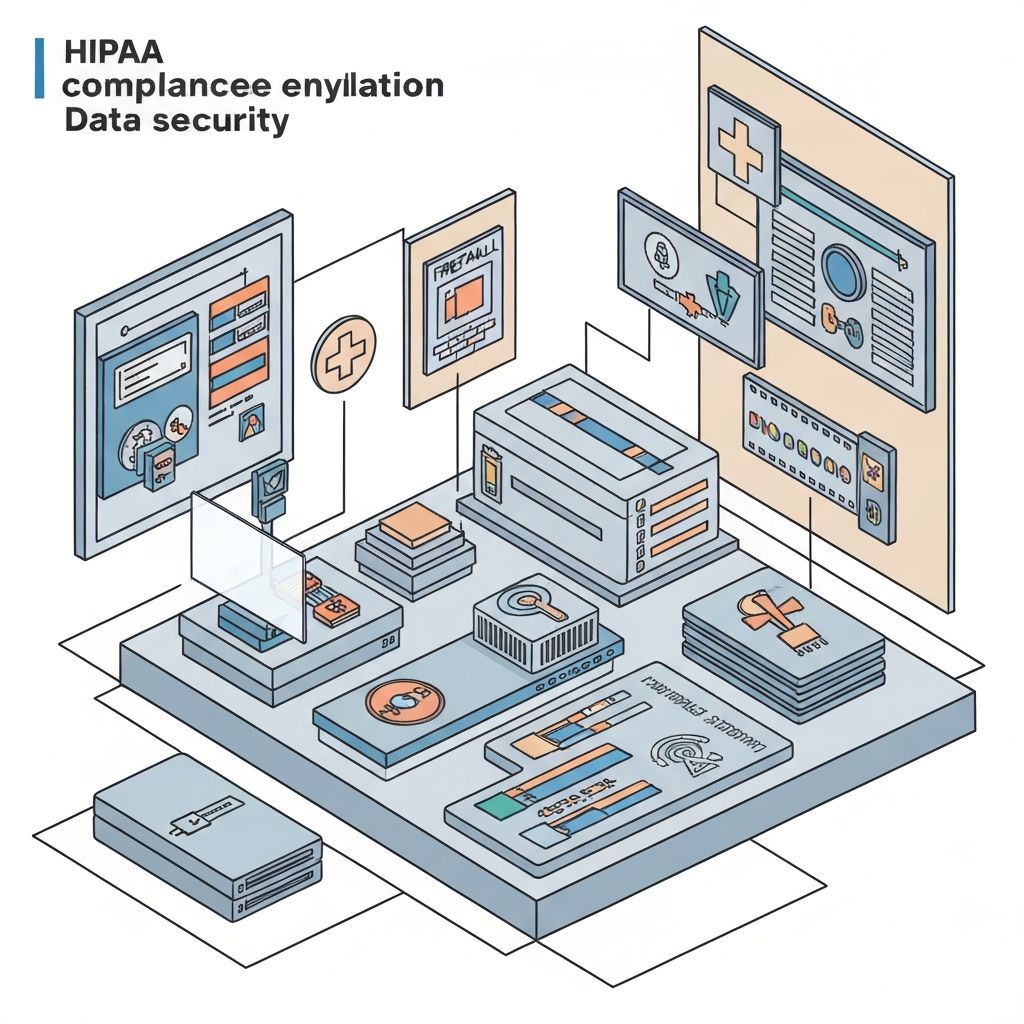
As artificial intelligence becomes increasingly integrated into healthcare operations, medical practices face a critical challenge: how to leverage AI's transformative power while maintaining strict HIPAA compliance. The intersection of AI technology and patient privacy creates new considerations that every healthcare provider must understand.
Understanding HIPAA in the AI Context
The Health Insurance Portability and Accountability Act (HIPAA) was designed to protect patient health information, but it was written before the age of AI. This doesn't exempt AI systems from compliance—rather, it requires careful interpretation of how traditional HIPAA requirements apply to modern AI technologies.
AI systems that process, analyze, or store Protected Health Information (PHI) must adhere to the same stringent standards as any other healthcare technology. This includes maintaining proper safeguards, ensuring data encryption, and implementing comprehensive access controls.
Key Compliance Considerations for AI Implementation
1. Business Associate Agreements (BAAs)
Any AI vendor that has access to PHI must sign a Business Associate Agreement. This legally binding document ensures that the vendor agrees to protect patient data according to HIPAA standards. Before implementing any AI solution, verify that the vendor is willing and able to sign a comprehensive BAA.
2. Data Minimization and Purpose Limitation
AI systems should only access the minimum necessary PHI required to perform their intended function. Implement strict data governance policies that define exactly what data the AI can access, how it can be used, and how long it can be retained. Purpose limitation ensures that patient data used for one AI application isn't repurposed for another without proper authorization.
3. Transparency and Patient Rights
Patients have the right to know how their health information is being used. When implementing AI systems, practices must update their Notice of Privacy Practices to inform patients about AI-assisted processes. This includes explaining how AI contributes to their care, what data it accesses, and how decisions are made.
4. Security and Encryption Standards
AI systems must implement robust security measures including end-to-end encryption for data in transit and at rest, multi-factor authentication for system access, regular security audits and penetration testing, and comprehensive audit logging of all PHI access.
Training AI Models Compliantly
One of the most complex HIPAA challenges in AI involves model training. If an AI system learns from patient data, practices must ensure that training data is properly de-identified according to HIPAA standards. This goes beyond simply removing names—proper de-identification requires removing 18 specific identifiers outlined in the HIPAA Privacy Rule.
Consider working with AI vendors who use federated learning approaches, where models can be trained without centralizing patient data. This distributed learning method can significantly reduce compliance risks while still providing powerful AI capabilities.
Incident Response and Breach Notification
HIPAA requires specific procedures for responding to data breaches. When AI systems are involved, breach detection and response become more complex. Practices must establish clear protocols for identifying when an AI-related security incident constitutes a breach, determining the scope and impact of AI-related breaches, notifying affected patients within required timeframes, and reporting breaches to the Department of Health and Human Services.
Ongoing Compliance Management
HIPAA compliance isn't a one-time achievement—it requires continuous vigilance. Implement regular risk assessments that specifically evaluate AI systems, conduct periodic compliance audits of AI processes, provide ongoing staff training on AI-specific HIPAA considerations, and maintain comprehensive documentation of all compliance measures.
The Role of AI in Enhancing Compliance
Interestingly, AI can also be a powerful tool for maintaining HIPAA compliance. AI-powered systems can monitor access logs for suspicious patterns, automatically detect and flag potential privacy violations, ensure consistent application of security policies, and generate compliance reports and documentation.
Moving Forward with Confidence
The integration of AI into medical practices doesn't have to be at odds with HIPAA compliance. By understanding the requirements, working with reputable vendors, implementing robust safeguards, and maintaining ongoing vigilance, practices can harness AI's transformative power while protecting patient privacy.
The key is to approach AI implementation thoughtfully, with compliance considerations integrated from the beginning rather than added as an afterthought. With proper planning and execution, your practice can confidently navigate the intersection of AI innovation and patient privacy protection.